Griddle Maintenance
HOW-TO'S
- BBQ Maintenance
- Griddle Maintenance
- General Griddle Station Tips
- Caring For Your Revolution™ BBQ
- Flare-Free Technology™ Maintenance
- Care For Cooking Grates
- Understanding Flashback & Grease Fires
- Heat Distribution Plates
- How To Perform A Leak Test
- Lighting & Shutdown
- Natural Gas Models
- Regulator Flow Limiting Device
- Stainless Steel Maintenance
- Start Grilling!
- Dual Fuel Charcoal Grill Cooking
- Cookout™ Charcoal Cooking
- Cookout™ Pellet Grill Cooking
- Cookout™ Pellet Grill Maintenance
LEVELING YOUR 36" GRIDDLE STATION:
Leveling your 36" griddle station will ensure proper flow of grease on the griddle top, into the grease channel and into the awaiting grease catch.
- Choose the griddle station location.
- Use a level to determine if any adjustments are required
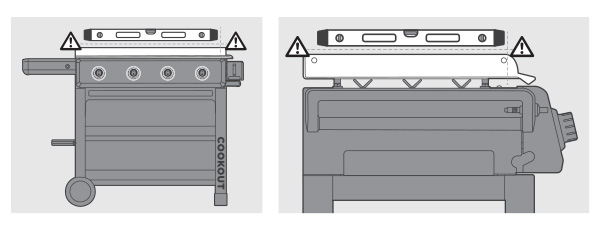
- Adjust the griddle top height by turning the leveling nut on the griddle feet, to ensure positive flow of grease to the grease catch
SEASONING YOUR GRIDDLE
Seasoning your griddle top improves the cooking performance, creates a non-stick surface for cooking, prevents damage and deterioration due to moisture and humidity, and extends the life of your griddle station.
How to Season:
- Clean the griddle top with a damp cloth to remove any dust/dirt
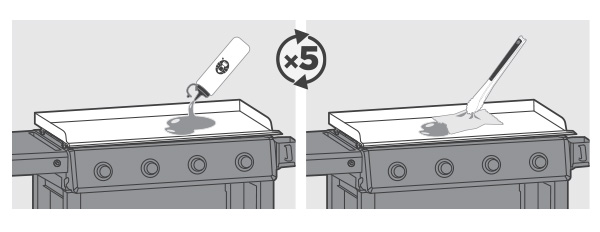
- Apply oil to the griddle top, sides and corners. Use a paper towel to coat surface thoroughly

- Light the griddle station and set temperature controls to the "Preheat" setting
- Heat the oil to its smoke point. You will notice the griddle top changing colour
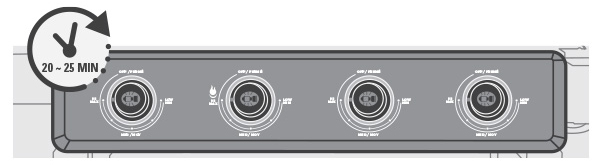
- When the oil stops smoking, turn your griddle "OFF" and let it cool
- Repeat steps 2 to 4, about 5 times, until the griddle surface becomes dark
The best oil's for seasoning:
- Vegetable oil
- Vegetable shortening
- Canola oil
- lax oil
Olive oil is not ideal, as it burns off at high temperatures
CLEANING YOUR GRIDDLE STATION
Cleaning your Griddle Station ensures optimum performance and safety. Please take the time to read and perform the following care and maintenance tips.
Cleaning Your Griddle Surface
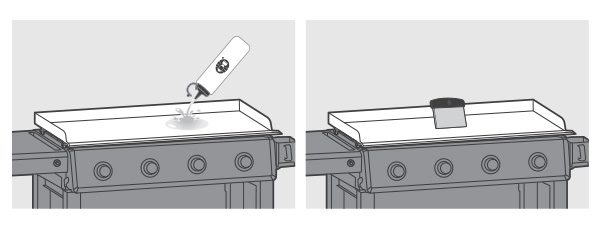
- Preheat your griddle station
- Use a water bottle to squirt the griddle surface
- Use a griddle scraper to loosen any debris on the surface. Apply more water if needed. Be careful not to use too much water, as you may overflow the grease catch
- Once the griddle top is reasonably clean, scraped and dry, apply a thin coat of oil to maintain the seasoning bond and prevent rust
Griddle Surface Rust
The appearance of rust spots on the griddle top, is an indication that the protective seasoning has worn off and must be repeated:
Steps to remove rust:
- Begin by dampening the cook surface with water
- With protective gloves and steel wool, scrub the areas of concern until the rust has been lifted from the surface
- Rinse the surface with a cloth or paper towel if needed
- Re-season your griddle 3 to 5 times
Grease Catch
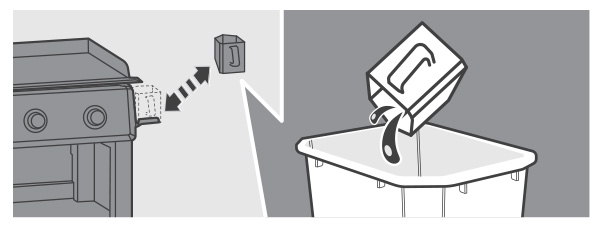
Remove and clean the grease catch AFTER EVERY USE to prevent possible spillage, grease fires and hot grease splatters.
When the griddle top and grease catch have FULLY COOLED, remove the grease catch and dump the contents into a disposable container, and then into the trash. Alternatively, you can place the disposable container into the fridge for the oil to solidify, before pouring into the trash.
Burners and Burner Box Maintenance
Although your griddle stations burner box is fully protected from grease and build-up that can accumulate during cooking, regular checks of the burners and ignition electrode are still required to ensure proper performance, safety and a longevity of your parts.
Checking your burners
Because the burners are covered by the griddle top, it is not as easy to identify poor performance and premature aging of parts. For this reason, we recommend that once a season the griddle top should be removed and burner maintenance should be conducted.
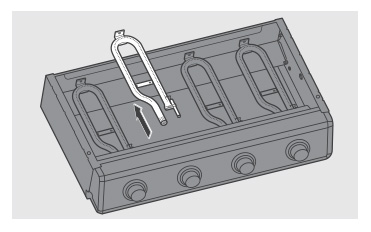
- Remove griddle top. Place on the ground, right side up.
- Remove hitch pins/screws to free the burners. Use WD40 and a screwdriver/pliers to make this removal easier.
- Remove burners
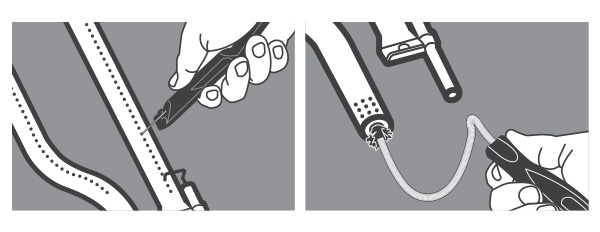
- Use a flexible venturi brush to clean the interior of the burners. Ensure you enter the burner far enough to remove any spider webs and nests that may be present.
- Use a wire or paper clip to clean any blocked burner ports.
- Brush away any rust or corrosion from the burners surface, and wipe clean with a damp cloth. Dry the burners thoroughly
- Re-install the burners. Ensure that the burners are properly seated on the valve gas jet before assembling hardware.
CLEANING EXTERIOR PARTS AND SURFACES
ALL MATERIALS including stainless steel, porcelain, and painted steel parts can become stained, soiled and corroded by dirt, pollution, deposits from inappropriate cleaners and grease. Routine cleaning of exterior surfaces is necessary to remove contaminants, rust and avoid permanent damage.
- DO remove dirt and contamination immediately to avoid permanent damage to porcelain, or painted surfaces.
- DO wipe down all surfaces frequently with a basic vinegar and water solution, or basic warm water and detergent.
- DO RINSE OFF all cleaners, with clean warm water, and dry completely with a soft or microfiber cloth.
- DO NOT use any chloride-containing detergents, abrasive cleaners, bleach or other chemical cleaners as they may permanently damage painted surfaces.
STORING YOUR GRIDDLE STATION
When storing your barbecue for the winter or long periods without use, you should do the following:
- Perform cleaning and maintenance of all parts and surfaces
- If possible, always store in a cool, dry location
- If storing with the LP cylinder, store outdoors in a well-ventilated area
- Make sure that the griddle top is fully seasoned and protected
- Always use the griddle top cover provided with your griddle station to protect your griddle surface from insects, dust and debris
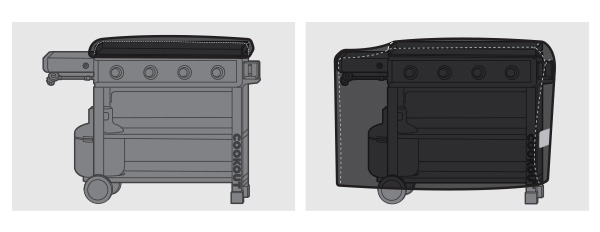
- Always cover your Cookout™ Griddle Station with a full length, all weather grill cover, to protect from all elements